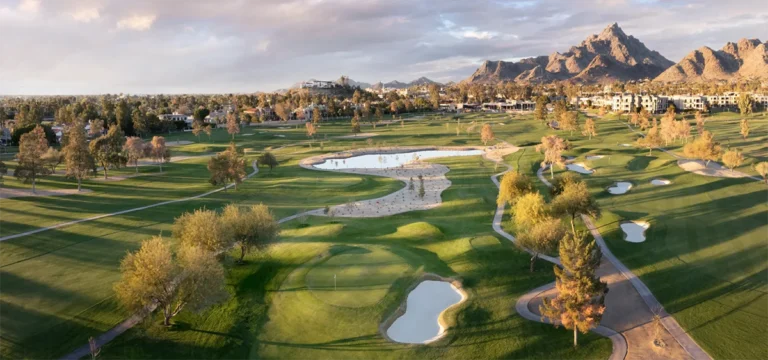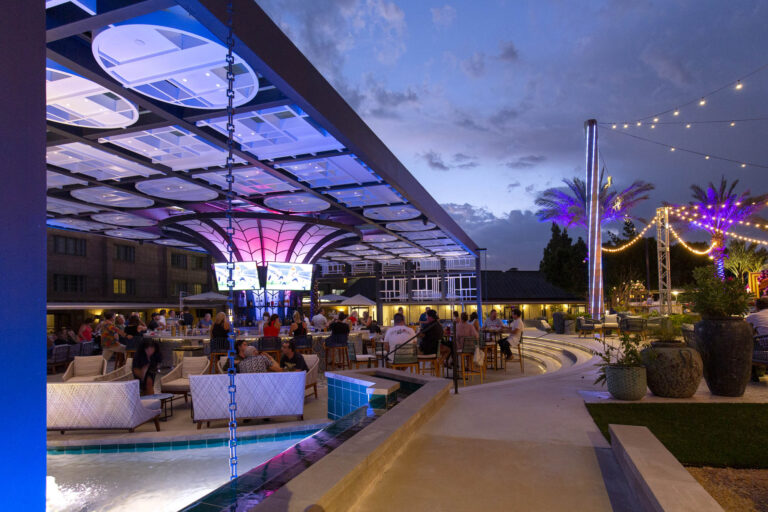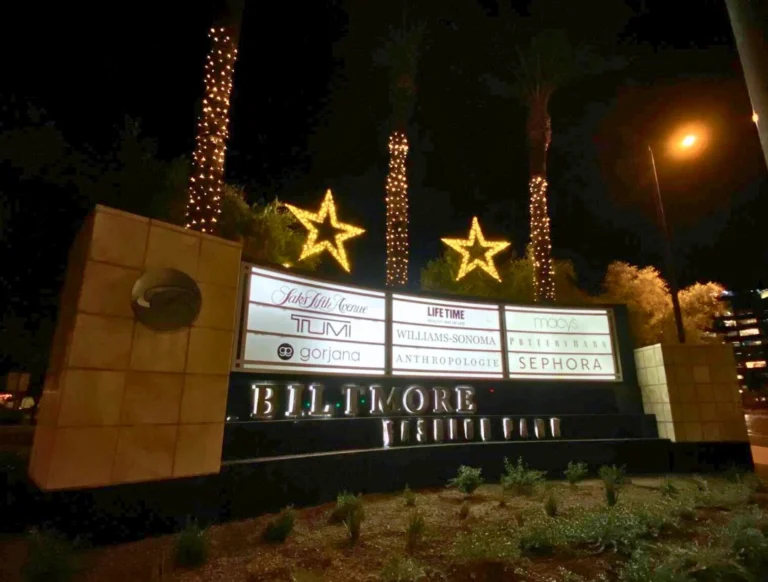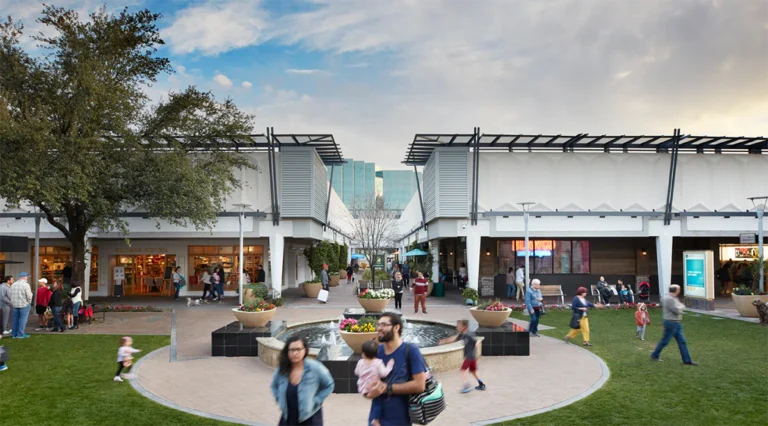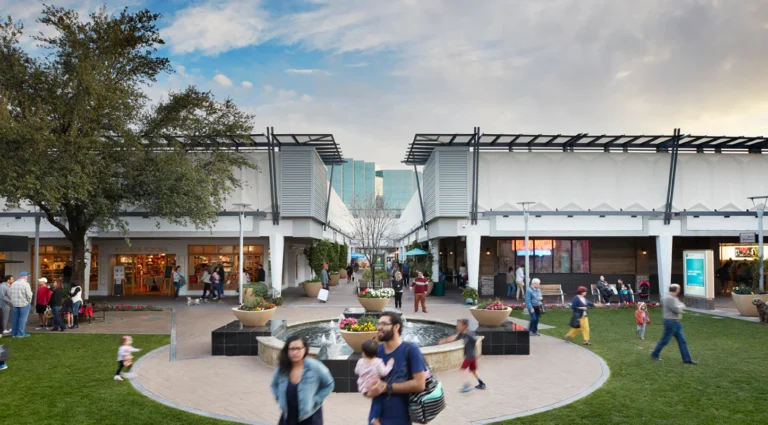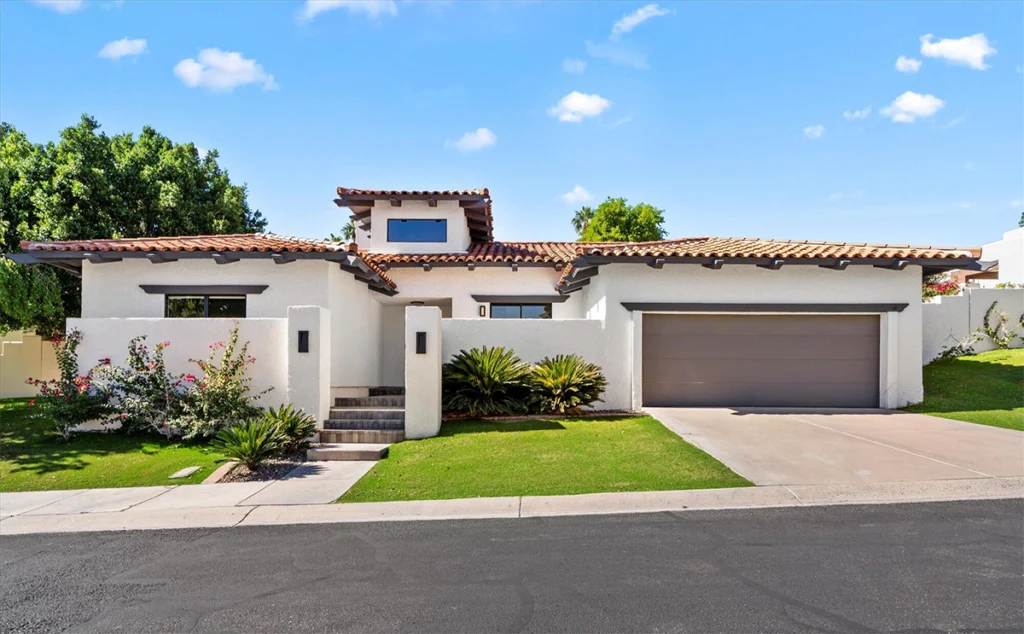

When someone says “the Biltmore” in Phoenix, most people picture a few familiar scenes:
But “Biltmore” is more than a pretty label. It’s a name with roots on the other side of the country, a century of association with old-guard luxury, and a powerful influence on how buyers and sellers think about value in this part of Phoenix.
This explainer walks through how the Biltmore name started as a Vanderbilt family estate in North Carolina, evolved into a hotel brand, and ultimately became the defining identity of one of Phoenix’s premier residential districts.
What “Biltmore” Signals in Phoenix Today
In everyday Phoenix conversation, “Biltmore” has become shorthand for:
- Luxury resort living
- Golf and club amenities
- High-end shopping and dining at Biltmore Fashion Park
- A collection of nearby guard-gated neighborhoods and golf communities
- A broader Camelback Corridor stretch of offices, condos, and mid-rise buildings marketed under the Biltmore banner
For buyers, that one word often implies:
- Higher price points than surrounding areas
- Architectural distinction and historic character
- Proximity to major employment and lifestyle corridors
- A certain level of prestige that tends to hold up over market cycles
To understand why the name carries that weight, it helps to go back to where “Biltmore” began.
Where the Biltmore Name Originally Came From
The Vanderbilt Estate in North Carolina
The word “Biltmore” first belonged to a single estate, not a chain of hotels or a Phoenix neighborhood.
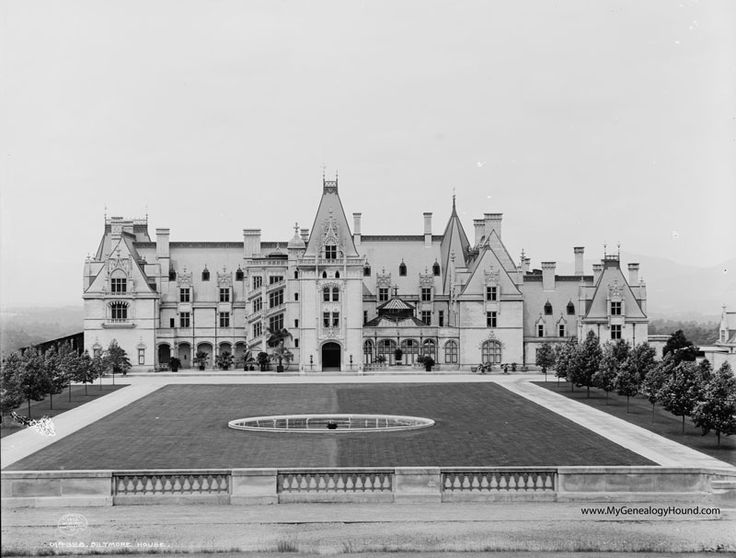
In the late 1800s, George Washington Vanderbilt II—heir to the Vanderbilt railroad and shipping fortune—built an enormous country house outside Asheville, North Carolina. He named the property “Biltmore,” drawing from De Bilt, a region in the Netherlands tied to his family’s ancestry, and “more,” an old English word for open, rolling land. Wikipedia Biltmore Estate
The result was Biltmore Estate, a 250-room mansion on thousands of acres—America’s largest privately owned home—surrounded by carefully designed gardens and forests. Wikipedia Biltmore
From the beginning, “Biltmore” meant:
- Scale and craftsmanship well beyond a typical home
- A private, controlled environment
- Old-money prestige and a strong architectural identity
Those associations would travel far beyond North Carolina.
From Estate Name to Hospitality Signal
By the early 20th century, hotel developers recognized that “Biltmore” already sounded like luxury. John McEntee Bowman created the Bowman-Biltmore hotel chain, deliberately evoking the Vanderbilt estate to suggest upscale urban hospitality. Wikipedia Bowman Biltmore Hotels
Soon, “Biltmore Hotel” became a familiar phrase in cities from New York to Los Angeles.
Even though many of these properties were not directly connected to the Vanderbilts, the name carried built-in meaning: grand lobbies, formal service, and the sense that “important people stay here.”
That’s the prestige the founders of the Arizona Biltmore were tapping into when they chose the name for a new desert resort.
The Birth of the Arizona Biltmore Resort in Phoenix
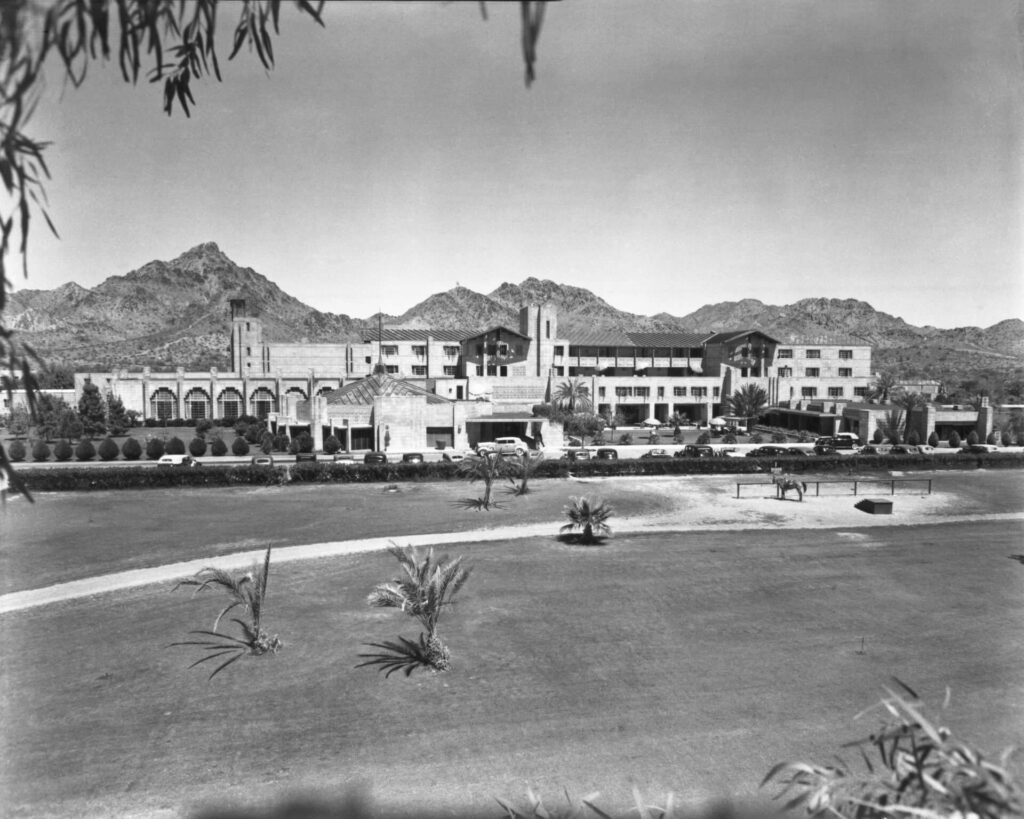
In 1929, the Arizona Biltmore opened just east of central Phoenix—far from today’s dense city core—at a time when the region was still emerging as a winter destination for affluent travelers. Luxury Resort in Phoenix
The resort’s founders didn’t just borrow the Biltmore name. They layered it onto distinctive architecture and a self-contained environment:
- Iconic “Biltmore blocks” and geometric design influenced by the work of Frank Lloyd Wright
- A resort compound surrounded by desert and views, rather than city streets
- Early visibility as a retreat for national business leaders, celebrities, and political figures, including U.S. presidents Luxury Resort in Phoenix
From its opening, the Arizona Biltmore was marketed as the “Jewel of the Desert,” a western counterpart to the grand hotels and estates back east. Luxury Resort in Phoenix
The effect on Phoenix was immediate: instead of being just another city hotel, the resort helped define an entire area. Over time, the Biltmore name migrated from a single resort to a neighborhood identity.
From Resort to Neighborhood Identity
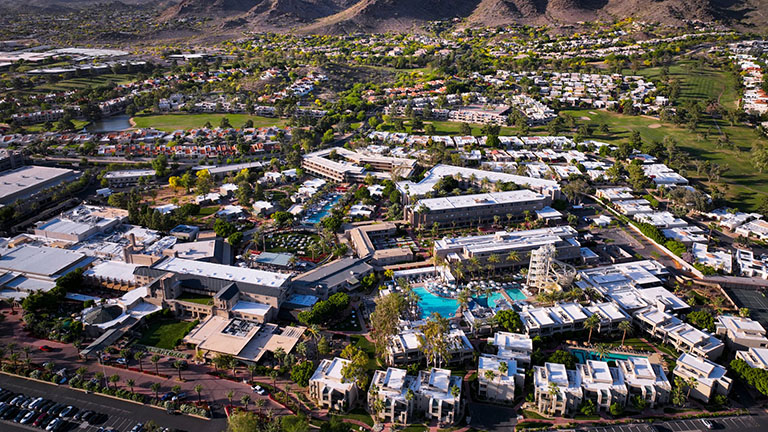
Estates and Golf Communities Around the Resort
As Phoenix grew, the land around the Arizona Biltmore resort attracted developers who understood the power of adjacency. Building near the resort—and explicitly branding communities under the Biltmore name—let them sell not just homes, but a lifestyle attached to:
- Resort proximity
- Golf and club amenities
- Guard-gated security and mature landscaping
This is how we ended up with a cluster of residential enclaves that directly reference the resort and the broader district, including:
- Arizona Biltmore Estates
- Biltmore Mountain Villas
- Biltmore Gates
- Biltmore Shores
- Biltmore Circle Estates
- Biltmore Lincoln Hills
- Taliverde
Each of these neighborhoods took on a slightly different identity—hillside vs. golf course, low-maintenance vs. estate-scale—but all trade on the same core promise: you’re in the Biltmore.
Those residential communities now sit at the heart of the “Luxury Estates & Single-Family Homes” and “Golf & Resort Communities” themes that define the district.
Biltmore Fashion Park and the Commercial Corridor
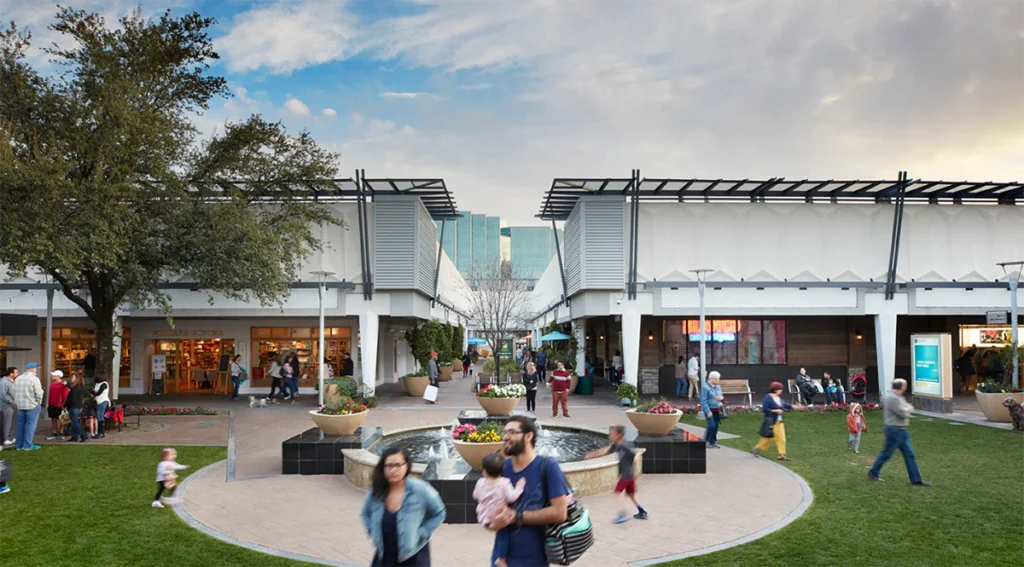
In 1963, Biltmore Fashion Park opened at 24th Street and Camelback Road, just northwest of the resort. From the outset, it was positioned as Phoenix’s premier luxury shopping destination, anchored by high-end department stores and upscale retailers.
Crucially, the center—and the growing cluster of offices and mid-rise buildings around it—also adopted the Biltmore name. Today, the Fashion Park is widely seen as:
- The commercial heart of the Biltmore district
- A bridge between the resort and the broader Camelback Corridor
- A reinforcement of the idea that “Biltmore” equals luxury retail and dining, not just resort stays.
Between the resort, golf courses, high-end homes, and Fashion Park, “Biltmore” ceased to be just a hotel brand. It became a recognizable place in Phoenix with a distinct economic and cultural identity.
What “Biltmore” Actually Refers to in Phoenix Today
Because the name is used in so many contexts, it’s easy for buyers—especially those relocating from out of state—to be confused about what exactly counts as the Biltmore.
You’ll hear the word used at three different scales:
1. The Resort Itself
At the narrowest level, “the Biltmore” still means the Arizona Biltmore, a Waldorf Astoria Resort:
- The historic hotel and its cottages
- On-site amenities like pools, spa, restaurants, and event spaces
- The golf club complex just east of the main resort buildings
When someone says, “We’re staying at the Biltmore,” this is what they mean.
2. The Immediate Residential District
In local real estate, “the Biltmore” usually refers to the cluster of neighborhoods directly surrounding the resort and golf courses, including both:
- Guard-gated luxury enclaves like Arizona Biltmore Estates and Biltmore Mountain Estates
- Golf-oriented communities and condominiums such as Fairway Lodge, Biltmore Greens, Colony Biltmore, and others immediately adjacent to the resort grounds
These neighborhoods share:
- Direct or near-direct access to the resort and golf amenities
- Comparable price points and buyer profiles
- A cohesive streetscape and sense of place
This is the core area most relevant to long-term home values when people talk about “Biltmore real estate.”
3. The Greater Biltmore Marketing Area
Finally, there’s the broader “Greater Biltmore” area, a looser term used in marketing and everyday speech to describe:
- The area from Camelback Road to Lincoln Avenue and from 20th Street to 40th Street
- Surrounding office towers, mid-rise condos, and nearby retail
- Adjacent pockets of established housing that benefit from the same general location and brand halo
While these addresses may not sit directly on resort-owned land, they still leverage the Biltmore name for perception and positioning.
Common Misconceptions Buyers Run Into
Because the name is so valuable, it’s sometimes used loosely. Common points of confusion include:
- Assuming anything labeled “Biltmore” has the same prestige. Not every building or subdivision that uses the word offers the same architecture, HOA experience, or long-term appreciation profile.
- Thinking Biltmore and Camelback Corridor are interchangeable. The Biltmore district is a key part of the Camelback Corridor, but not all Corridor properties share the same identity or pricing structure.
- Overestimating walking proximity. “Near the Biltmore” can mean walkable to the resort and Fashion Park—or a short drive away. In a market where walkability is a premium, that distinction matters.
Our “Map & Boundaries” and “History of Biltmore” resources are designed to help buyers visualize these layers clearly.
Why the Biltmore Name Still Matters for Buyers and Sellers
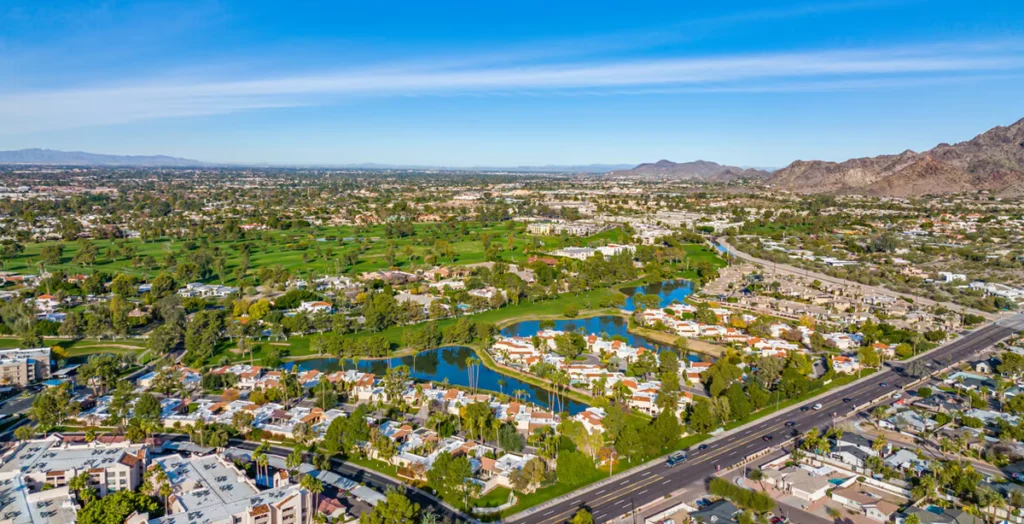
For buyers and sellers, “Biltmore” is not just a styling choice on a sign. It influences real decisions and real pricing.
1. Perception and Prestige
The Biltmore name still signals:
- Historic resort adjacency
- A long-standing association with luxury travel and hospitality
- A certain expectation of architecture, landscaping, and neighborhood standards
That intangible prestige can attract out-of-state and international buyers who recognize the name from other cities or from the original estate in North Carolina.
2. Anchored by a Signature Asset
Unlike purely residential communities, Biltmore values are anchored by:
- A landmark historic resort that continues to invest in renovations and preservation
- A long-standing luxury retail hub at Biltmore Fashion Park
- A central location in Phoenix’s broader employment and lifestyle grid
Anchors matter. They support consistent demand over time and give the area resilience in softer market cycles.
3. Market Recognition and Search Behavior
From a practical standpoint, “Biltmore” is how many buyers search:
- “Biltmore homes for sale”
- “Phoenix Biltmore condos”
- “Arizona Biltmore neighborhood”
That name recognition helps properties in the core district stand out online and in conversation—something we pay close attention to in our broader Biltmore real estate content strategy and analytics.
4. Long-Term Value and Differentiation
In a city that continues to grow outward, the Biltmore district benefits from:
- Limited, largely built-out land around the resort
- Mature landscaping and architectural continuity
- A nearly century-long story of luxury hospitality and high-end residential living
For sellers, that can translate into stronger pricing power compared to nearby areas without the same brand recognition. For buyers, it means understanding which Biltmore-labeled properties are most aligned with the legacy and amenities that underpin long-term value.
Next Steps if You’re Evaluating a Biltmore Home
If you’re considering a move into (or within) the Biltmore district, a few practical next steps can make the most of what you’ve just learned:
- Clarify which “Biltmore” you’re targeting. Resort-adjacent estates, golf communities, or greater corridor condos all live under the same name but behave differently in the market.
- Pair history with current market data. The brand story explains why demand exists; neighborhood-level market intelligence tells you how that demand shows up in pricing and inventory today.
- Walk the area, not just the listing. Experience the resort, Fashion Park, and surrounding streets at different times of day to see how the Biltmore identity feels on the ground.
Need Local Guidance? Let the Phil Tibi Group Help
The Phil Tibi Group
Your Biltmore Real Estate Authority
Backed by decades of local expertise, deep neighborhood knowledge, and a proven track record, the Phil Tibi Group helps buyers navigate the estate market with clarity and confidence.
Schedule a Private Consultation